Back to Blog
ISLOPOL Reaches Its Final Stage: From Circular Economy Concept to an Operational EPS Recovery Chain in Madeira

Logimade Research Team, Logimade Research
3 min read
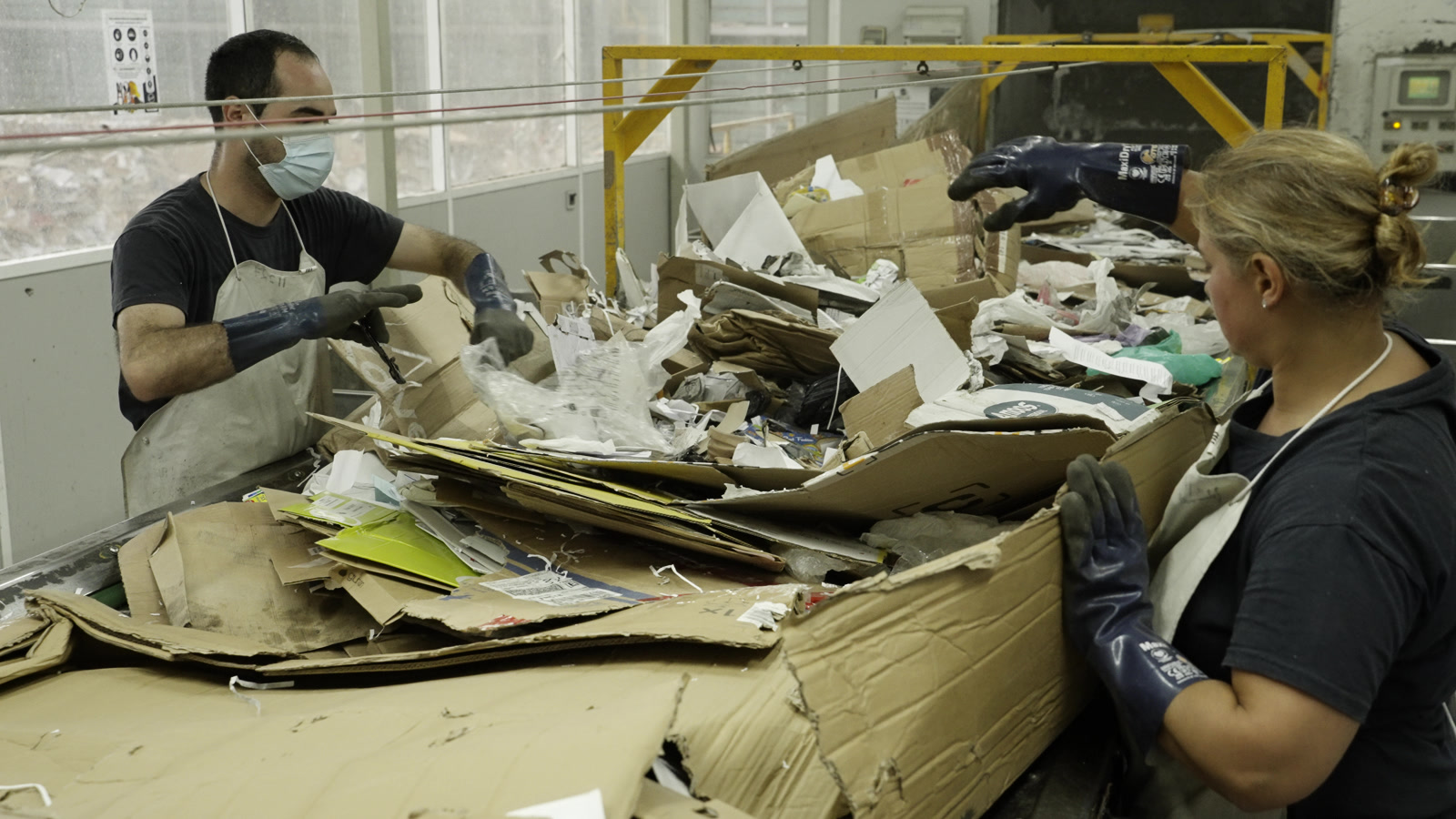
After 12 months of development, integration and real-world demonstration, ISLOPOL – Island Loop for Polystyrene Circularity has reached its final stage, demonstrating a local alternative to the predominantly linear management of Expanded Polystyrene (EPS) waste in Madeira.
The project brought together ARM – Águas e Resíduos da Madeira, Esferolight, ARDITI and Logimade, combining waste sorting and recovery, Artificial Intelligence-assisted EPS detection, digital traceability and local industrial reuse.
During the final operational period, from 1 July to 21 September 2026, corresponding to approximately two months and three weeks of demonstration, the project achieved concrete results across the circular value chain.
A total of 724.20 kg of EPS was processed at ARM, of which 683.01 kg was classified as recyclable. From this material, 663.20 kg of recyclable EPS was transferred to Esferolight through five registered transports, with the final transport taking place on 17 September.
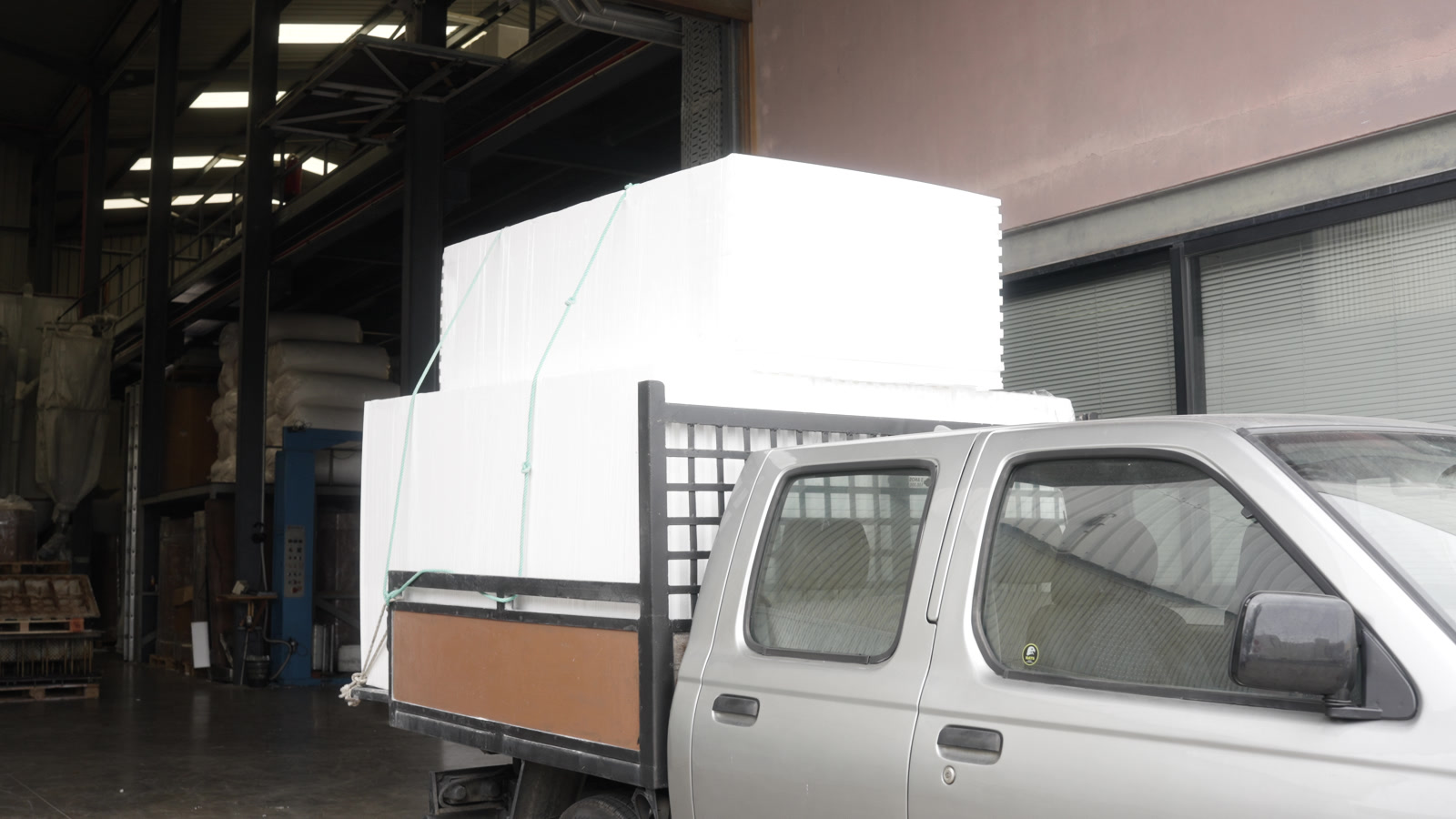
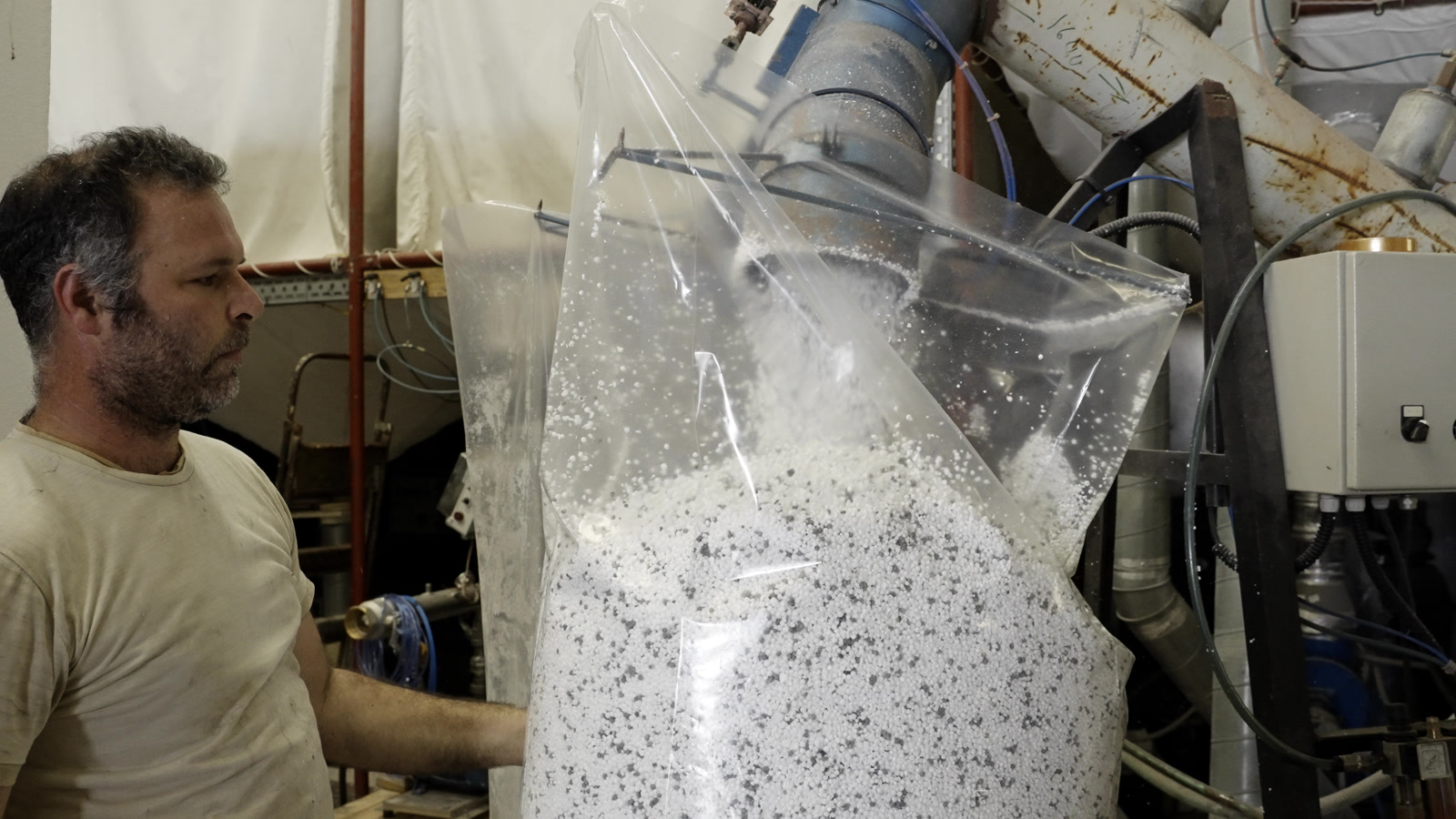
Following inspection at Esferolight, 650.63 kg was accepted and shredded across five production cycles for use in lightweight concrete applications. These results demonstrate the complete material flow from waste sorting to its reintegration into a local industrial process.
Measurable environmental, technical and economic results
The final evaluation also identified relevant environmental, technical and economic benefits.
The comparison between the local ARM–Esferolight route and the reference route involving transport to mainland Portugal for recycling indicated a 91.9% reduction in transport-related CO₂ emissions.
Using the GRETA assessment tool, the comparison between the AS IS and TO BE scenarios over a three-month period showed a 16.9% reduction in overall climate-change impact (GWP100). The circular TO BE scenario also performed better across all 25 environmental indicators considered in the assessment.
On the technological side, the final evaluation of the AI-based EPS detection system achieved 81.09% precision at the confidence threshold selected for the project.
The project's economic simulation also indicates a significant opportunity associated with local material recovery. Under the assumptions used in the assessment, the unit cost of locally reprocessed EPS was 79.4% lower than the reference cost of virgin EPS.
A digitally connected circular value chain
ISLOPOL went beyond the physical recovery and reuse of material. The project also demonstrated a digital layer supporting the different stages of the circular value chain, including collection, processing, batch creation, transportation, inspection and production.
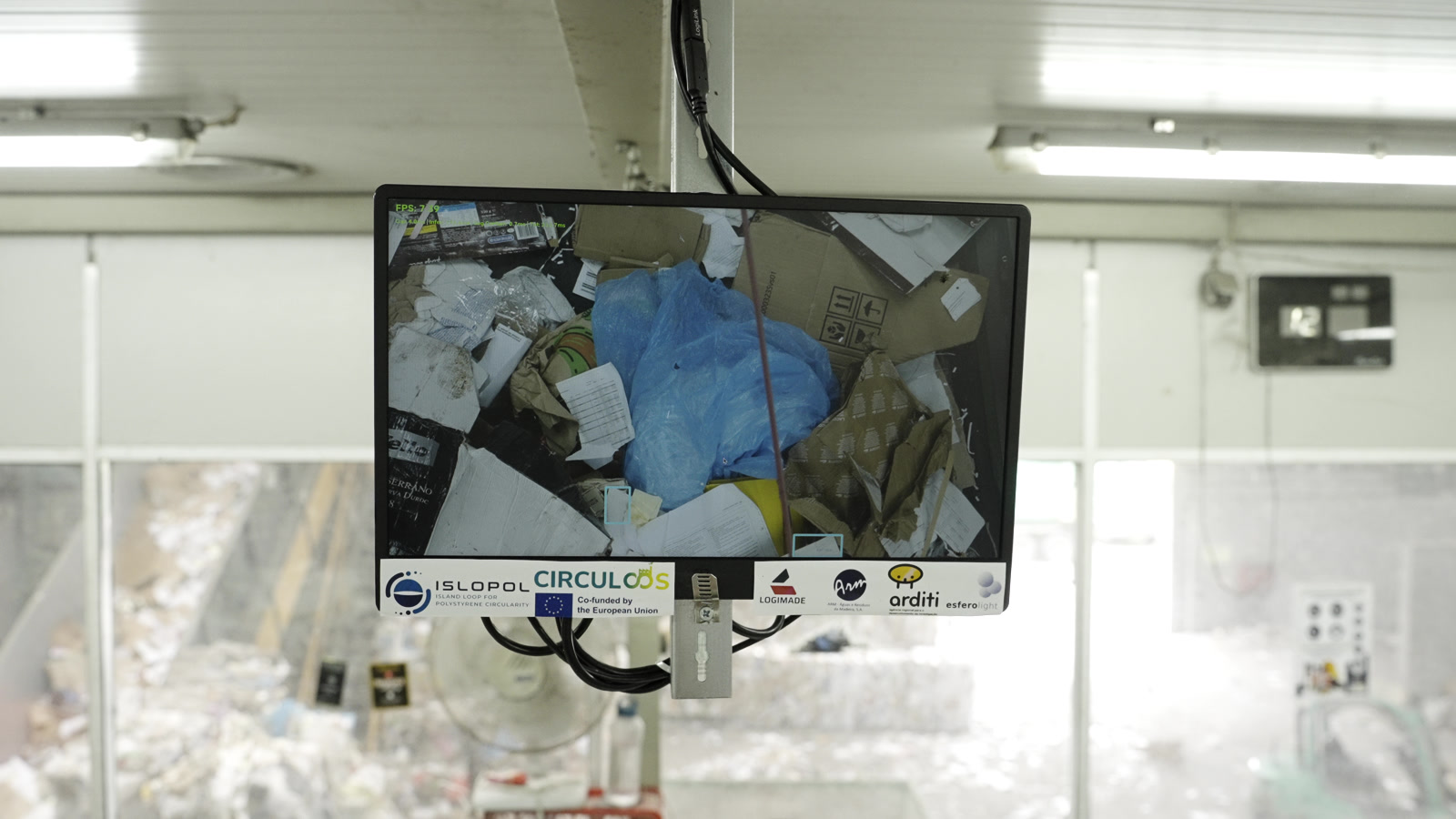
Interoperable data models, dedicated applications for the different partners and operational dashboards were used to connect these activities and improve the availability and traceability of information throughout the process.
This combination of physical and digital processes demonstrates how Artificial Intelligence, data interoperability, industrial collaboration and cooperation with the regional scientific and technological ecosystem can support the creation of new circular value chains in island regions.
Building on the ISLOPOL results
ISLOPOL leaves behind not only an operational demonstration, but also technological components and digital services with the potential to be adapted, scaled and replicated in other locations and material streams.
The exploitation model developed during the project identifies the combination of Logimade's computer vision system with the data services, dashboards and integration capabilities developed by ARDITI as a basis for future implementations and for extending similar circular approaches to new industrial contexts.

The project therefore represents an important step towards demonstrating how locally available resources, digital technologies and collaboration between waste managers, technology providers, research organisations and industry can contribute to more efficient and sustainable circular manufacturing.
Logimade would like to thank ARM, ARDITI and Esferolight, as well as the entire CIRCULOOS ecosystem, for their collaboration and commitment throughout the ISLOPOL journey.
ISLOPOL was developed within the CIRCULOOS ecosystem, supporting the creation and demonstration of digitally enabled circular value chains.
Explore the ISLOPOL project